

The Environmental Impact of Concrete Grinding: A Comprehensive Analysis
The Environmental Impact of concrete grinding is a crucial topic as our world shifts toward more sustainable practices. Concrete grinding involves the removal of concrete surfaces to achieve a smooth finish, and while this process is essential for construction and renovation, it comes with significant environmental concerns. In this article, we’ll explore the various aspects of concrete grinding, touching upon emissions, noise pollution, and the steps being taken to minimize these impacts through innovative techniques.
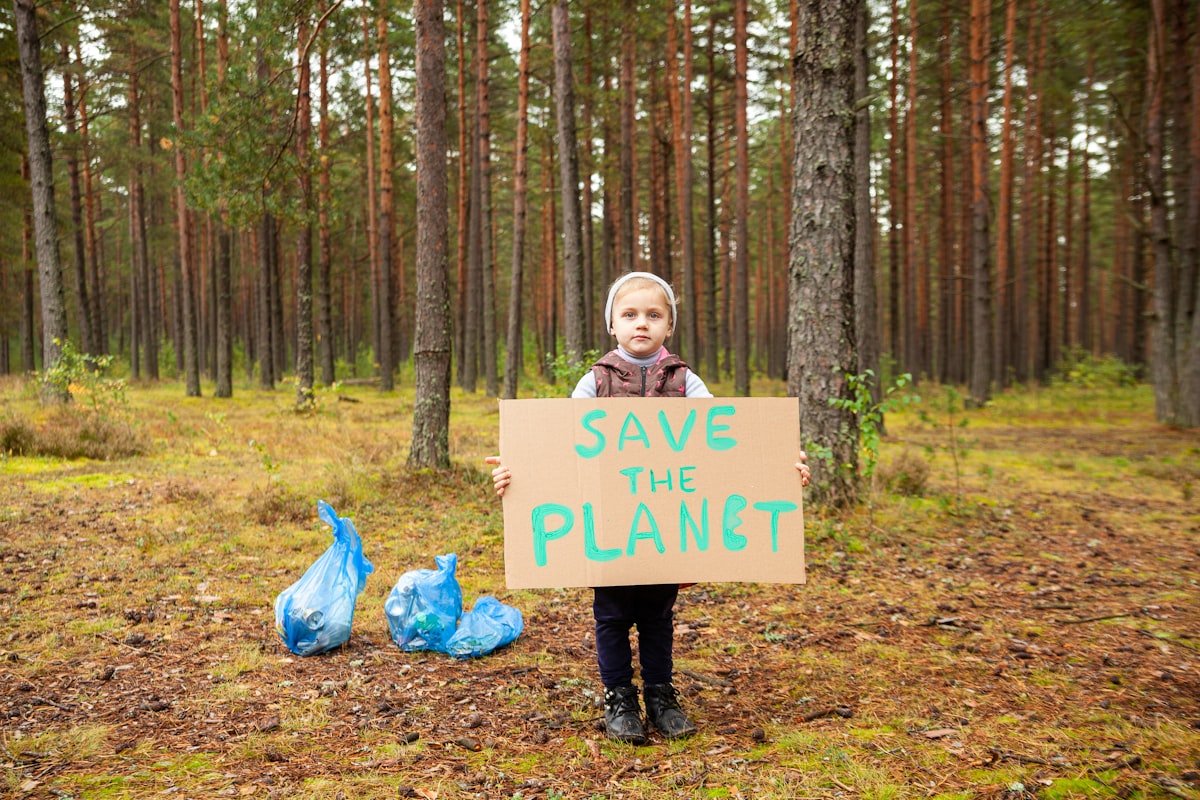
Research shows that over 80% of concrete waste can be recycled, yet many still overlook its environmental consequences. Understanding the environmental impact of concrete grinding empowers us to make informed choices that benefit both our projects and the planet. Let’s delve deeper into the facets of this important subject.
The Environmental Impact: Emissions and Noise Pollution
The first thing to consider when discussing the environmental impact of concrete grinding is the emissions produced during the process. Concrete grinding generates fine particulate matter, which can contribute to air pollution and respiratory issues. According to a study from the Environmental Protection Agency (EPA), construction activities, including concrete grinding, accounted for over 15% of airborne particulate emissions in urban areas in 2023.
By recognizing these challenges, we can start to address them effectively. Transitioning toward more sustainable practices in concrete grinding can significantly alleviate these environmental impacts. How to Avoid: Ultimate Guide to Grinding Concrete Dust 2024 hakkında daha fazla bilgi edinin.
Sustainable Practices in Concrete Grinding
To mitigate the environmental impact, it’s essential to adopt sustainable practices in concrete grinding. One effective method is using advanced machinery equipped with dust collection systems. These systems capture airborne particles, significantly reducing emissions. Additionally, water-fed grinding machines, which use water to suppress dust, can greatly enhance air quality on job sites.
Moreover, recycling ground concrete is a viable option. When concrete is ground, the resulting material can be repurposed as aggregate for new concrete projects or used in landscaping, reducing the demand for new resources. This recycling effort not only minimizes waste but also lessens the environmental impact of extracting raw materials.
Mitigating The Environmental Impact through Technology
Technology plays a significant role in reducing the environmental impact of concrete grinding. Innovations in machinery design and operation can lead to more efficient and less polluting practices. For instance, electric concrete grinders produce zero emissions, making them a cleaner alternative to traditional gas-powered machines.
Additionally, employing smart technology can improve efficiency. Machines equipped with sensors can monitor performance and adjust operations dynamically to minimize energy consumption. This not only conserves resources but also reduces the overall environmental impact of the grinding process. How to Achieve: Ultimate Guide to Concrete Grinding 2024 hakkında daha fazla bilgi edinin.
For further insights on sustainable construction practices, refer to this article from the National Association of Industrial and Office Properties.
Common Mistakes to Avoid
“Sustainable practices in concrete grinding not only protect the environment but can also reduce costs in the long run.” – Industry Expert
This insight underscores the importance of integrating sustainability into our concrete grinding practices. DIY Concrete Grinding: Ultimate Guide 2024 – Transform Your Floors hakkında daha fazla bilgi edinin.
Conclusion: Understanding The Environmental Impact with Action
In summary, the environmental impact of concrete grinding encompasses emissions, noise pollution, and resource usage. However, adopting sustainable practices and leveraging technology can significantly mitigate these effects. By being mindful of our choices and implementing effective strategies, we can transform the concrete grinding process into a more environmentally friendly operation.
I encourage you to take these insights and assess your own practices. What changes can you implement today to reduce your environmental impact? Every small step counts toward a more sustainable future.
Let’s work together to ensure that our construction practices honor the planet we inhabit!